



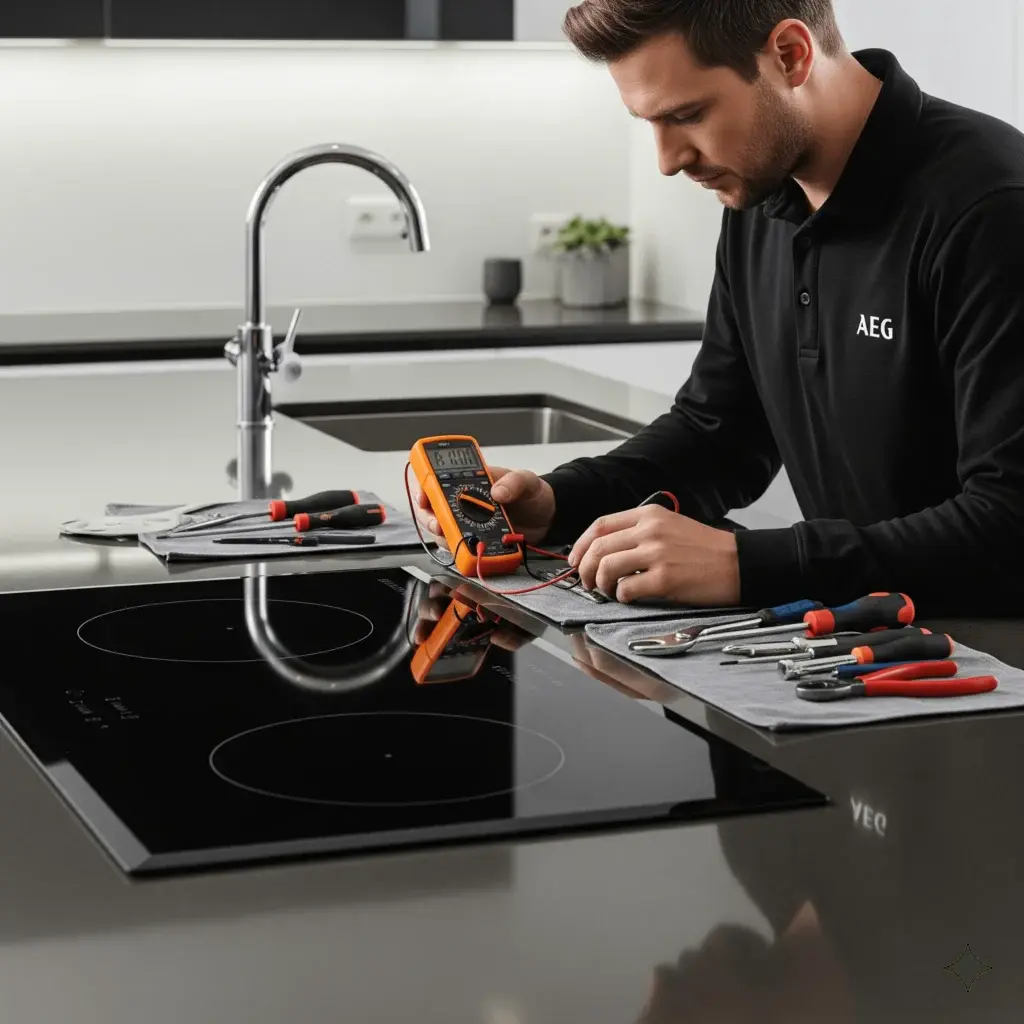
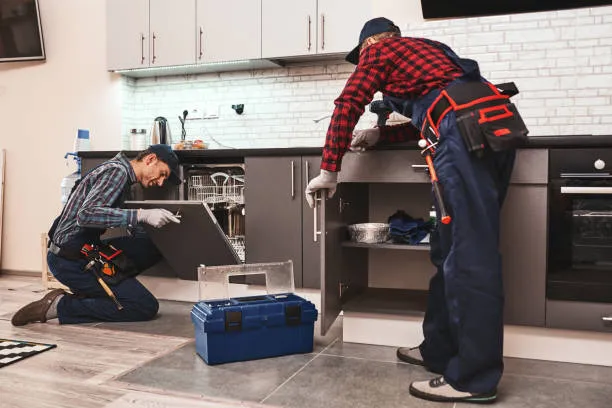
How to Fix a Gas Cooker: 2026 Troubleshooting & Safety Guide

A gas cooker that refuses to ignite, produces a weak flame, or emits a faint smell of gas is more than just a hurdle for your meal prep—it is a significant safety concern. To fix a gas cooker immediately, ensure the gas supply valve is fully open and the burner caps are correctly seated; then, use a thin needle or specialized cleaning probe to clear grease from the tiny burner ports and the pilot assembly, as a clogged ignition path is the primary cause of a clicking igniter that fails to light.
في حلمي مركز خدمة, we understand that gas appliances require a level of technical precision that goes beyond simple DIY fixes, and we prioritize a “Blue Flame” calibration to ensure your kitchen remains both efficient and leak-free.
How to Fix a Gas Cooker: The Ultimate 2026 Troubleshooting & Repair Guide
A malfunctioning stove can disrupt the rhythm of any household. Whether you are dealing with a burner that won’t spark, an oven that won’t heat, or a flame that keeps going out, understanding the mechanics of your appliance is the first step toward a resolution.
This guide breaks down the most common gas cooker failures and explains the professional standards used at an حلمي مركز خدمة to ensure a safe and lasting repair.
1. Safety First: The Golden Rules of Gas Repair
Before picking up a tool, you must respect the nature of gas. Unlike electric appliances, a mistake with a gas line can lead to a slow, odorless leak that accumulates in your kitchen cabinets.
The “Soap Bubble” Test
If you suspect a leak near the hose or the regulator, mix a small amount of dish soap with water and brush it over the connections. If bubbles begin to grow, you have an active leak. Turn off the main gas valve immediately.
Ventilation
Never work on a gas cooker in a closed room. Open all windows and ensure the kitchen exhaust fan is running to prevent any residual gas from reaching a combustible concentration.
2. Common Symptoms and Immediate Solutions
Symptom A: The Igniter Clicks but No Flame Appears
This is the #1 service call for gas appliances. The “clicking” sound is the spark electrode attempting to ignite the gas, but if the path is blocked, the spark never reaches the fuel.
-
The Cause: Spilled oils, boiled-over pasta water, or cleaning sprays have seeped into the burner head.
-
The Fix: Remove the burner cap and the burner head. Use a hairdryer on a “Cool” setting to blow out any moisture. Then, use a sewing needle to clear the small notch in the burner head that aligns with the igniter.
Symptom B: The Flame is Yellow or Orange
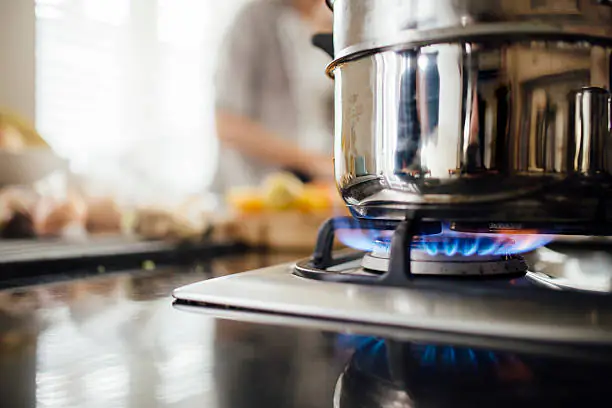
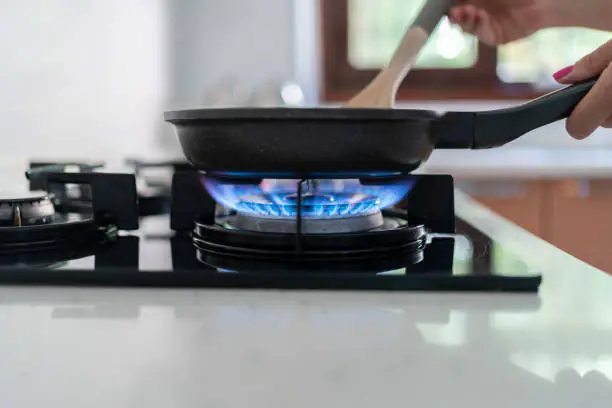
A healthy gas flame must be bright blue. A yellow flame is a sign of “incomplete combustion,” meaning the gas is not getting enough oxygen.
-
The Risk: Yellow flames produce significantly more carbon monoxide and leave a black, sooty residue on the bottom of your pans.
-
The Fix: This usually indicates a blockage in the “venturi tube”—the pipe where air and gas mix. This often requires a professional cleaning of the internal manifold to restore the correct air-to-gas ratio.
Symptom C: The Burner Won’t Stay Lit
If the burner lights while you hold the knob down but dies the moment you let go, your thermocouple is failing.
-
The Cause: The thermocouple is a safety sensor. If it doesn’t “feel” heat, it tells the gas valve to shut off to prevent a gas leak.
-
The Fix: Check if the tip of the thermocouple is covered in soot. Gently cleaning it with a piece of fine sandpaper can sometimes restore its sensitivity. However, if the internal wire is snapped, a replacement is necessary.
3. Comparing the “DIY” Method vs. The Professional Standard
While many blogs suggest using toothpicks or basic household items to fix a stove, these can often cause more harm than good. At حلمي مركز خدمة, we use specialized tools to ensure the integrity of the appliance is maintained.
4. Deep-Diving into the Gas Manifold and Valves
The “Manifold” is the pipe that distributes gas to all your burners. Over years of cooking, grease can migrate from the stovetop into the internal valves, making them difficult to turn or causing them to “stick.”
Cleaning the Valves
This is a high-level repair. It involves removing the control knobs and the front fascia of the cooker. A professional technician will disassemble the valve, clean the “plug,” and apply a specialized gas-rated lubricant. Do not use standard household oil or WD-40, as these are highly flammable and can ignite inside the control panel.
The Importance of the Regulator
The regulator is the “brain” of your gas supply. It reduces the high pressure from the cylinder to a safe, low pressure for the burners. Regulators should be replaced every 5 to 7 years. If your flame height varies wildly or if you hear a “roaring” sound, your regulator is likely failing.
5. Fixing Gas Oven Issues
Gas ovens use a different ignition system than the stovetop burners. Most modern ovens use a “Glow Bar” igniter.
Why the Oven Won’t Heat
The glow bar must reach a specific temperature (and draw a specific amount of electrical current) before the gas valve is allowed to open. If the igniter glows orange but the gas never kicks in, the igniter is likely “weak” and needs replacement.
Uneven Baking
If your cakes are burning on one side and raw on the other, your oven’s “spreader plate” might be warped, or the internal temperature sensor (the RTD) needs calibration. An حلمي مركز خدمة uses digital thermometers to ensure the internal temperature matches what is shown on the dial.
6. Maintenance Checklist to Prevent Future Breakdowns
To keep your cooker running like new, follow this monthly maintenance routine:
-
The “Dry” Wipe: After cleaning with soap and water, always run the burners for 30 seconds to evaporate any trapped moisture.
-
Inspect the Hoses: Look for “cracking” or “brittleness” in the orange or black gas hoses. If the rubber feels hard, it is time for a replacement.
-
Port Clearing: Every month, use a thin needle to clear the burner ports, even if the flame looks okay. This prevents carbon buildup.
-
Check the Gaskets: Ensure the oven door seal is tight. A leaking seal causes the control knobs to get hot and can damage the internal wiring.
7. Identifying a Gas Emergency
You should stop all DIY attempts and evacuate the kitchen if:
-
The “Rotten Egg” Smell is Strong: This is the mercaptan added to gas so you can detect it.
-
A Hissing Sound: This indicates a high-pressure leak.
-
Soot on Walls: If your walls are turning black near the stove, you have a dangerous carbon monoxide situation.
8. Conclusion: Quality and Safety Above All
Fixing a gas cooker is a balance of mechanical troubleshooting and high-stakes safety management. While clearing a clogged burner is a great DIY task, complex issues involving the manifold, safety valves, or gas leaks should always be handled by a certified professional.
By choosing حلمي مركز خدمة, you are ensuring that your appliance is repaired using the correct parts and tested against the highest safety standards in the industry. We don’t just restore the flame; we restore your peace of mind.